


MBBS Admission in India 2026: A Straight, No-Nonsense Guide for NEET Aspirants
So you want to be a doctor. The first real hurdle isn’t medical school itself. It’s getting in. And MBBS admission in India runs on one exam, one merit list, and a counselling process that trips up plenty of capable students simply because nobody explained it to them properly.
This guide fixes that. We’ll cover who can apply, what NEET actually demands in 2026, how the counselling rounds work, what the seats cost, and where the seats even are. Plain language. Real numbers. No fluff.
Let’s get into it.
Why MBBS in India Still Makes Sense
Here’s the honest pitch for studying medicine at home. Your degree is recognised everywhere in the country, the National Medical Commission keeps a tight leash on quality, and you train inside busy hospitals that throw every kind of patient at you. That clinical exposure is gold.
Cost matters too. A government seat can cost less for the whole course than a single year at a private college. You stay near family, you eat your own food, you study in a language you’re comfortable in. And once you’re done, the path to MD or MS sits right there, with no foreign screening test and no extra hoops.
The MBBS course in India runs five and a half years. Four and a half years of study, then a one-year rotating internship where you finally stop reading about patients and start treating them. By the end you’ve done your time in the wards. You’re ready.
MBBS Admission 2026: What's Actually Going On This Year
One exam decides everything. NEET UG. There’s no separate test for any state, any private college, or any deemed university. Qualify NEET or you’re not getting a seat, full stop.
The 2026 cycle has already begun. NEET 2026 was conducted on 3 May 2026 across 552 cities in India and 14 locations abroad. Around 22.79 lakh candidates registered for it, which tells you exactly how crowded this race is. A re-exam was scheduled for late June, with the official cutoff expected to be released by the NTA alongside the results.
After results come the counselling rounds, and that’s where ranks turn into actual seats. If you want a wider view of every medical option on the table before you start filling choices, the full spread of medical colleges in India is worth a slow read.
Who Can Apply: MBBS Eligibility Criteria
Before anything else, check the boxes. The MBBS eligibility criteria come from the National Medical Commission and they’re the same wherever you go. Miss one and the rest doesn’t matter.
NEET Eligibility 2026
Simple version: you have to take NEET and clear it. You must have passed 10+2 from a recognised board in the science stream with Physics, Chemistry and Biology, and you need a valid NEET score in hand. No score, no counselling. That’s the whole NEET eligibility 2026 story in one line.
Minimum Percentage for MBBS
Your class 12 marks in PCB, taken together, decide this. General category students need at least 50 percent. Reserved categories, meaning SC, ST and OBC, need 40 percent. Students with benchmark disabilities get a relaxed 45 percent. These come straight off your board result, so a strong twelfth-grade score quietly works in your favour later.
Age Limit for MBBS
You need to be 17 by the time of admission, or by 31 December of the admission year. Upper age limit? There isn’t one in force right now. That’s genuinely good news for repeaters and gap-year students, and plenty of them crack it on the second or third go.
Subjects Required for MBBS
Physics, Chemistry, Biology. English as a language. Biology (or Biotechnology) has to be one of your core subjects, because medicine is built on the study of living things, so there’s no way around it. If you carried PCB through eleventh and twelfth, you’re set.
NEET UG 2026: The One Test That Runs the Whole Show
NEET UG is a pen-and-paper exam covering Physics, Chemistry and Biology at the class 11 and 12 level. One test. One merit list. Every MBBS seat in the country flows from it. So your score and your rank carry enormous weight.
NEET Qualifying Marks for MBBS
Qualifying is percentile-based, not a fixed number, which confuses a lot of people. General category students need the 50th percentile; OBC, SC and ST candidates need the 40th percentile, and General-PwD candidates need the 45th. To put a number on it, in 2025 the general category qualifying range sat at 686 down to 144 marks. For 2026, the general qualifying mark is expected to land somewhere around the 135 to 140 range, though the NTA confirms the real figure with the result.
Clearing the percentile gets your name on the list. It does not get you a seat. Big difference.
NEET Cutoff for MBBS, and the Trap Nobody Tells You About
There are two cutoffs, and mixing them up costs students dearly. The qualifying cutoff is the bar to enter counselling. The admission cutoff is the score you actually need to walk into a specific college. The second one is far higher.
The NEET cutoff for MBBS isn’t uniform either. Government colleges sit high because the seats are few and everyone wants them. Some private and deemed colleges open up at much lower scores. And the whole thing drifts a little each year depending on paper difficulty and how many people sat the exam.
NEET Rank and Score for a Government MBBS College
This is the question on everyone’s lips. What NEET score is needed for MBBS in India through a government seat? A safe score for a government MBBS seat through the All India Quota generally means 600 marks and above, closer to 650 plus to be comfortable for the general category. Reserved categories clear at lower marks, but competition inside those categories is just as fierce.
Your NEET rank for MBBS admission is really what decides your options. Better rank, better colleges, better locations, more freedom while filling choices. If reading your rank against the right college list feels overwhelming, that’s exactly the kind of thing our team handles every season, with proper MBBS admission guidance so a good rank doesn’t get wasted on a bad choice list.
MBBS Admission Process Step by Step
It sounds tangled. It isn’t, once you see the order. Here’s the MBBS admission process step by step, start to finish.
How to Apply for MBBS After 12th
You begin online. When the NEET application window opens, you fill the form, upload your photo and signature, pay the fee, and submit. Download the admit card. Sit the exam. Wait for results. That’s how to apply for MBBS after 12th, and there’s no offline shortcut and no direct admission anywhere.
MCC Counselling Process
The Medical Counselling Committee runs the MCC counselling process for All India Quota seats, deemed universities, and central institutions like AIIMS and JIPMER. You register on the portal, pay the fee, fill your college and course preferences in the order you actually want them, then lock the choices. The system matches your rank to your list and allots a seat. State quota seats run through each state’s own counselling body, but the rhythm is the same.
One thing students get wrong constantly: they don’t fill enough choices, or they don’t order them by genuine preference. Don’t be that person.
NEET Counselling Rounds
It doesn’t happen in a single shot. There’s Round 1, then Round 2, a mop-up round, and finally a stray vacancy round. Miss out early and the later rounds give you more shots. Patience helps. So does not panicking after Round 1.
Document Verification for MBBS Admission in India
Got a seat? Now you report to the college and they check your originals. Class 10 and 12 marksheets, NEET scorecard, NEET admit card, ID proof, category certificate if it applies, photographs. Keep all of this in a single folder, ready in advance. Students lose seats over a missing certificate. Don’t let a piece of paper sink five years of effort.
Seat Allotment MBBS in India
The last step. Based on your rank, your category, and the choices you locked, the system hands you a seat. You accept it, pay the admission fee, finish the joining formalities, and that’s it. You’re an MBBS in India student. The hard part’s behind you. The harder part is about to begin, but that’s a different story.
NEET Counselling 2026 and the Quota System
NEET counselling 2026 is where seats are handed out, and the quota system decides which seats you’re even allowed to fight for. Worth understanding properly.
All India Quota MBBS in India
The All India Quota MBBS in India covers 15 percent of government college seats and is open to students from any state, handled centrally by the MCC. It’s your route to a government seat outside your home state.
State Quota MBBS Admission in India
The state quota MBBS admission in India covers the remaining 85 percent of government seats and is reserved for that state’s own students, usually with domicile rules attached. Each state runs its own counselling for these seats.
NRI Quota MBBS
The NRI quota MBBS is meant for non-resident Indians or students sponsored by a close NRI relative. These seats sit mostly in private and deemed colleges, and the fees run steep.
Management Quota MBBS Admission
Management quota MBBS admission is a slice of seats in private colleges that also carry higher fees. Each quota plays by its own rules. Figuring out which one fits your situation is half the battle, and it’s where good NEET counselling support pays for itself.
Types of MBBS Colleges in India
Not all medical colleges are built the same. Knowing the types keeps your expectations realistic.
Government MBBS Colleges in India
Government MBBS colleges in India are the holy grail: low fees, strong teaching, brutal competition. State and central governments fund them, seats are limited, cutoffs are high.
Private MBBS Colleges in India
Private MBBS colleges in India open up far more seats, often with newer campuses and solid hospital exposure, but you pay for it.
Deemed Universities for MBBS
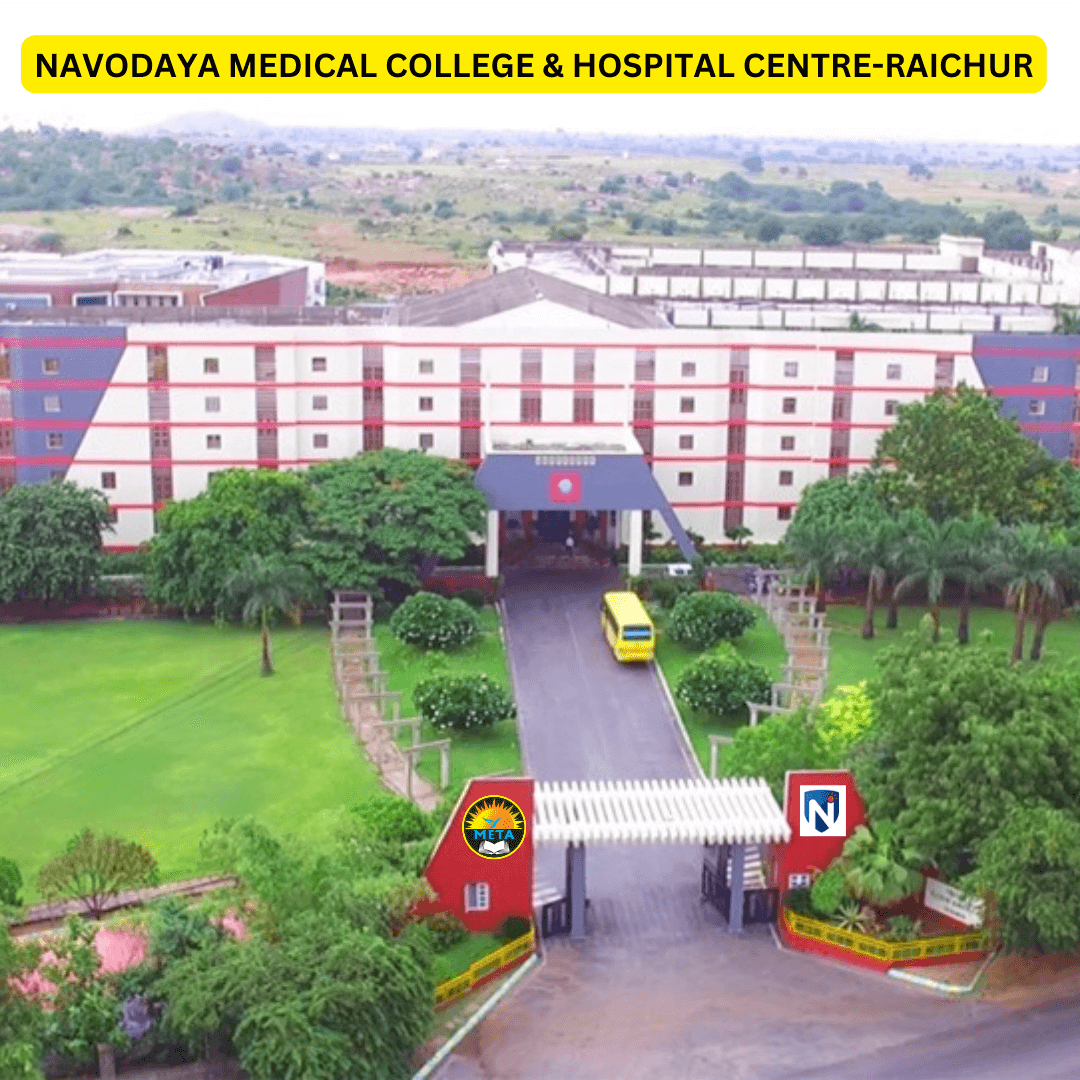
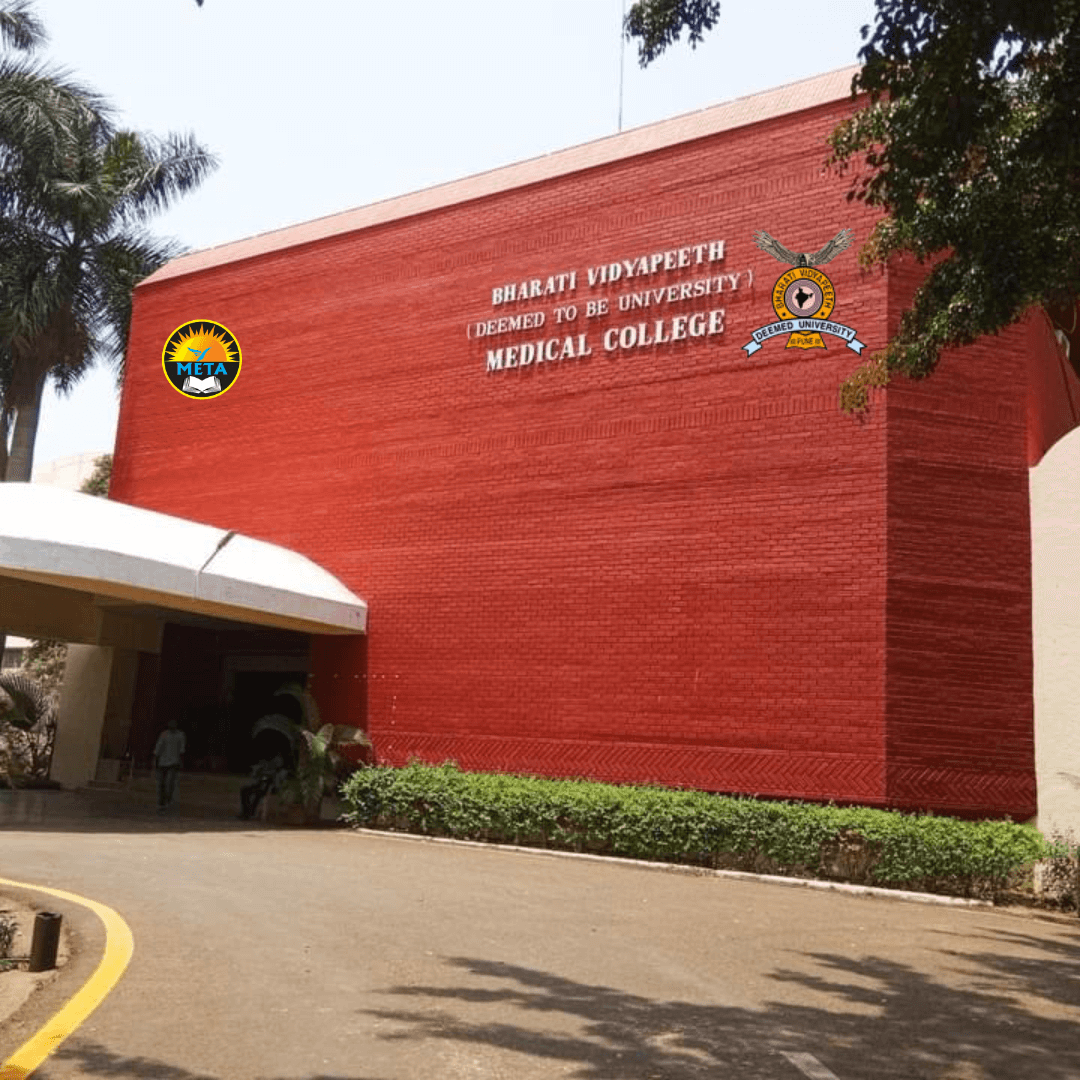
Deemed universities are private institutions that hold university status, and crucially, they admit only through central MCC counselling, with no domicile barrier, so a student from anywhere can apply. If that route interests you, the way admission works in deemed universities for MBBS is worth a closer look. There are roughly 50 deemed universities offering close to 9,700 MBBS seats between them.
Premier Institutes and the Best Medical Colleges
At the very top sit the premier names, the colleges every aspirant quietly dreams about.
AIIMS MBBS Admission
AIIMS MBBS admission is the dream for most aspirants, since the AIIMS campuses, along with JIPMER, set the standard for medical training and research in the country.
Best MBBS Colleges in India and Top Medical Colleges in India
When students hunt for the best MBBS colleges in India or the top medical colleges in India, they’re weighing faculty, hospital size, results, and research. Reputation is earned in the wards, not the brochure.
Low Fees MBBS Colleges in India
If money’s tight, there are genuinely low fees MBBS colleges in India worth chasing. Just check NMC recognition and hospital strength before you commit. A shiny brochure means nothing if the inspection status is shaky.
MBBS Fees in India: The Real Range
Let’s talk money, because this is where families get blindsided. MBBS fees in India swing wildly depending on the type of college.
Government MBBS College Fees
Government MBBS college fees are absurdly low by comparison. AIIMS Delhi charges roughly Rs 6,000 a year, and most government colleges fall between Rs 10,000 and Rs 1 lakh per year. Read that again. The entire government degree can cost less than one year somewhere else. That’s the whole reason the cutoffs are so savage.
Private MBBS College Fees
Private MBBS college fees are a different planet. Private colleges typically run Rs 3 lakh to Rs 25 lakh a year. Stack that over five and a half years and a private seat can total a small fortune.
Deemed University and NRI Quota Fees
Deemed universities sit around Rs 15 lakh to Rs 30 lakh a year, and over the full course a private or deemed seat can total anywhere up to Rs 1 crore to Rs 1.5 crore. NRI seats climb higher still.
MBBS Fees Structure 2026 at a Glance
The MBBS fees structure 2026 follows this same shape: government cheapest, private in the middle, deemed and NRI at the top. Plan the money before counselling, not during it. Scrambling for funds while a seat ticks toward its deadline is a terrible position to be in.
Cheapest MBBS College in India
If budget is the deciding factor, look hard for the cheapest MBBS college in India that still holds proper recognition. Government and central institutions almost always win on price, which is exactly why their seats vanish fastest.
What Pushes the Total Cost Up
Tuition is only part of the bill. Annual fee increments, hostel and mess charges, security deposits, and quota premiums all stack on top, and they’re easy to forget when you’re staring at the headline tuition figure.
Hidden Charges to Watch For
Watch for one-time admission charges, caution deposits, exam and university fees, and the yearly hike clause buried in the fee notice. Ask for the full five-and-a-half-year package in writing before you accept a seat, so the final number never catches you off guard.
State-wise Top MBBS Colleges in India & Seat Intake for AY 2025-26
| S.No | State Name | No. of Govt Colleges | No. of Private Colleges | Govt MBBS Seats | Private MBBS Seats | Total MBBS Seats |
| 1 | 51 | 37 | 5925 | 7500 | 13425 | |
| 2 | 13 | 12 | 1645 | 1900 | 3545 | |
| 3 | 34 | 15 | 4630 | 2700 | 7330 | |
| 4 | 21 | 14 | 3025 | 2700 | 5725 | |
| 5 | 19 | 20 | 3415 | 3800 | 7215 | |
| 6 | 43 | 42 | 6075 | 6749 | 12824 | |
| 7 | 24 | 48 | 4249 | 9695 | 13944 | |
| 8 | 2 | 7 | 423 | 1450 | 1873 | |
| 9 | 37 | 29 | 4390 | 5150 | 9540 | |
| 10 | 38 | 40 | 5250 | 7800 | 13050 | |
| 11 | 14 | 22 | 1855 | 3549 | 5404 | |
| 12 | 26 | 15 | 4149 | 2350 | 6499 | |
| 13 | -- | 57 | -- | 11200 | 11200 | |
| 14 | Click here | Click here | Click here | Click here | Click here |
MBBS Cutoff 2026
The MBBS cutoff 2026 is just the lowest NEET score at which admission closed for a given college and category in the last round. Nothing mystical. It shifts a bit yearly.
State-Wise MBBS Cutoff
State-wise MBBS cutoff varies because every state has its own seat pool and its own crowd of applicants. A score that lands you a seat in one state might fall short in another.
Category-Wise NEET Cutoff
Category-wise NEET cutoff matters just as much. General sits highest, and SC, ST, OBC run lower as per reservation rules. The smart move is studying last year’s trend for your state and category, then filling choices that match reality, not hope.
State-Wise MBBS Admission Across India
Seats are scattered across the whole country, and lots of students prefer a particular state for reasons of language, food, or proximity to home, all valid. Quick tour of the popular ones, each running its own state counselling for the 85 percent state quota.
MBBS Admission in Delhi
MBBS admission in Delhi is ruthless. The capital holds some of the most respected institutes in the country and a flood of applicants chasing very few seats, so cutoffs there sit near the top.
MBBS Colleges in Karnataka
Karnataka has the highest total MBBS seat count in the country once government and private are combined, thanks to a massive private sector. That’s exactly why MBBS colleges in Karnataka are so popular, with the sheer number of options across every fee band.
MBBS Admission in Maharashtra
MBBS admission in Maharashtra pulls students from across India on the strength of its government colleges and serious hospital training.
MBBS Colleges in Tamil Nadu
Tamil Nadu is another magnet, and the MBBS colleges in Tamil Nadu are known for heavy clinical exposure and steady results.
MBBS Admission in Uttar Pradesh
MBBS admission in Uttar Pradesh offers a wide spread of government and private seats, a strong bet for students from the region.
MBBS Colleges in Rajasthan
In the desert state, MBBS colleges in Rajasthan have grown a lot and now draw plenty of aspirants. Each state writes its own counselling rules, so read your target state’s fine print early.
Total MBBS Seats in India 2026: How Crowded Is It Really?
Fair question. How many MBBS seats in India actually exist? The count has climbed steadily as new colleges get NMC nods and old ones expand intake. Depending on the data point, the figure for 2026 sits anywhere from about 1.18 lakh seats to, by the latest NMC count, around 1.29 lakh MBBS seats across roughly 820 to 824 medical colleges. Of those, government seats number around 61,000 to 64,000, with private and deemed colleges making up the rest.
Sounds like a lot. Then remember 22-plus lakh people registered for NEET. That gap is the whole reason a sharp rank and a smart counselling plan matter so much. Pack your choice list, study the trends, and treat counselling as seriously as the exam itself.
MEDICAL SEATS IN INDIA
Total MBBS SEATS IN INDIA—129,603 (Dated—02-04-2026)
GOVT. SEATS—65,250
PVT. SEATS—64,353
As per the official website of NMC (December 31, 2025), there are 823 medical universities in India. Out of these 823 medical universities, 418 are government or semi-government AIIMS and central universities or institutions; 57 are deemed universities; and the remaining 349 are private medical universities in various states and union territories of India. If we discuss the number of MBBS seats, the total is now 129,603, with 65,250 in government/semi-government institutions and 64,353 in private/deemed medical universities across India.
Build your NEET-UG score aggressively—the difference between a government seat and a ₹1 crore private seat often comes down to 30-40 marks.
Organise your domicile and category documents by April 2026.
Participate in both AIQ and state counselling to maximise your options.
Verify NMC recognition and fees on official portals — never rely on agent claims or brochure figures.
Track mcc.nic.in and state portals daily during counselling. Round windows are short and unforgiving.
MBBS in India vs Abroad
Plenty of students who miss a government seat start eyeing other countries, and weighing MBBS in India vs abroad is a perfectly sensible thing to do. Both sides have a case.
Stay home and you keep family close, the degree is straightforward for practice and PG here, and you train in familiar hospitals. Go overseas and MBBS abroad for Indian students can sometimes undercut steep domestic private fees, since some foreign universities genuinely cost less than an Indian private seat. The catch: study abroad and you’ll need to clear a screening test before you can practise back home. That’s not a small thing.
There’s no universal right answer. It comes down to your rank, your budget, and what you actually want long-term. If you do want to look outward, the full picture of studying MBBS abroad is worth comparing honestly against your home options before you decide either way.
Where Meta Career & Education Services Pvt. Ltd. Fits In
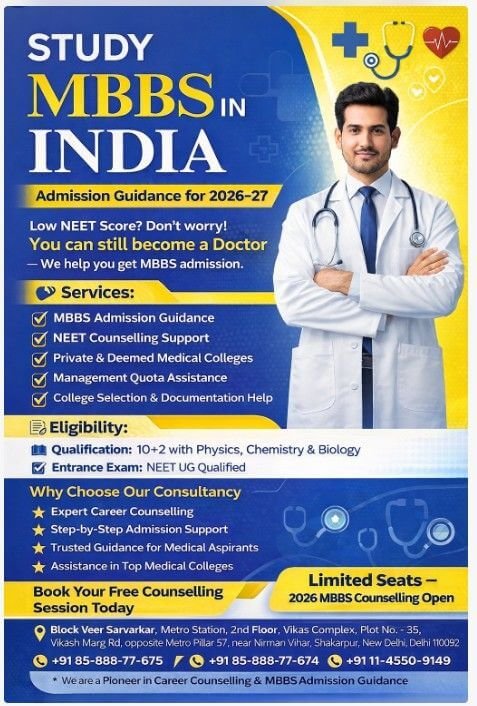
This process has a lot of moving parts: forms, percentiles, quotas, deadlines, fee structures that change by state. It’s easy to lose the thread. That’s the gap we fill.
Meta Career & Education Services Pvt. Ltd. works directly with students and parents to make the whole thing make sense, from the NEET form right through to the locked final seat. As MBBS admission consultants in India, we read your rank, your category, and your budget, then point you at colleges that genuinely match, not a wish list but a workable one. We walk you through choice-filling, help you keep documents ready, and flag the silly mistakes that cost people seats every year.
If you want to know how we actually operate before committing, read a bit about us first. And if you’ve got questions or want a plan built around your own numbers, drop them through our enquiry form and a counsellor will take it from there.
Top Government MBBS Colleges in India
| All India Institute of Medical Sciences (AIIMS), New Delhi |
| PGIMER, Chandigarh |
| Christian Medical College (CMC), Vellore |
| King George’s Medical University (KGMU), Lucknow |
| Maulana Azad Medical College (MAMC), New Delhi |
| Government Medical College (GMC), Mumbai |
| Madras Medical College (MMC), Chennai |
| Seth GS Medical College, Mumbai |
| Lady Hardinge Medical College (LHMC), New Delhi |
| Government Medical College (GMC), Nagpur |
| Government Medical College (GMC), Jammu |
| Government Medical College (GMC), Amritsar |
Top 10 MBBS Colleges in India
| Christian Medical College (CMC), Vellore |
| Kasturba Medical College (KMC), Manipal |
| St. John’s Medical College, Bangalore |
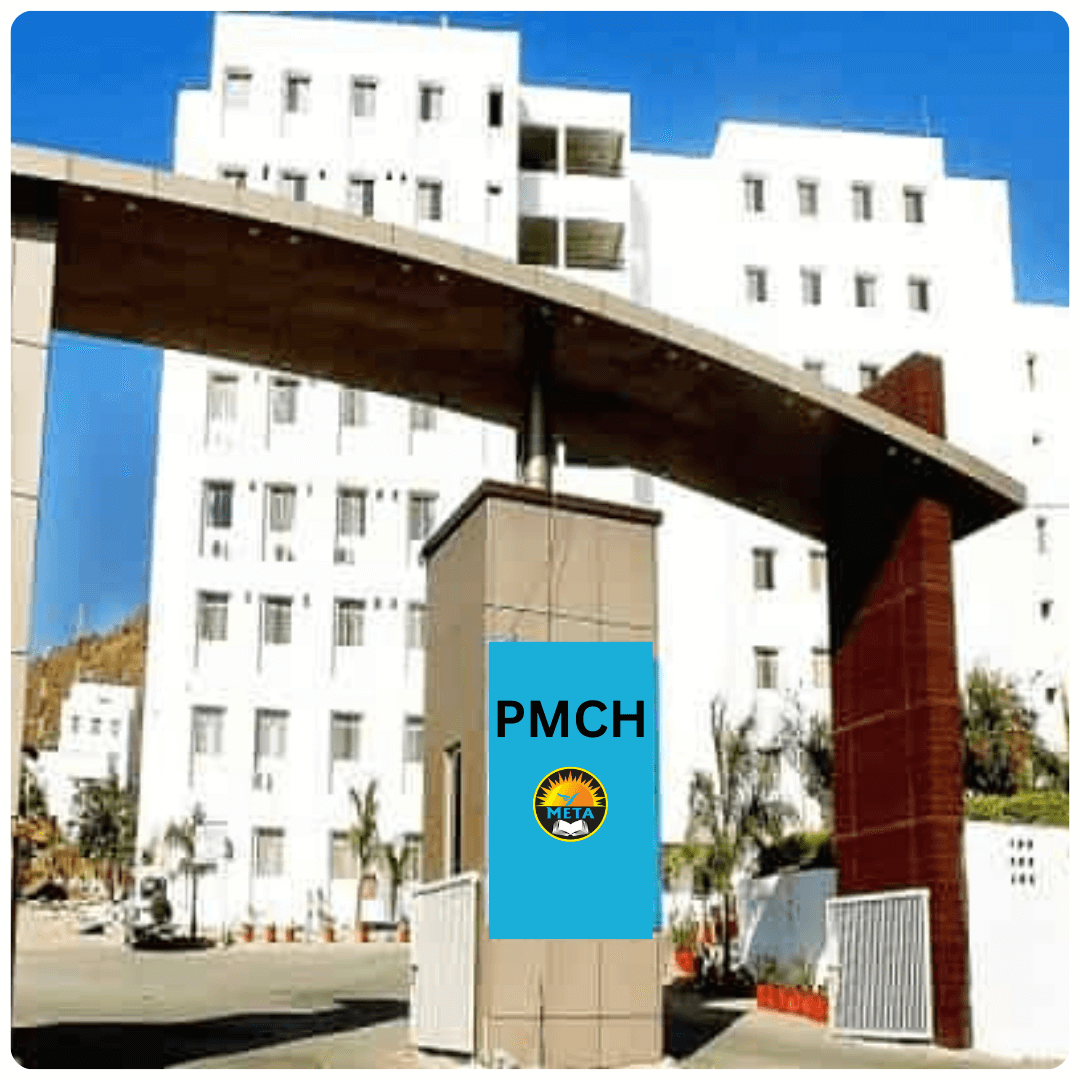
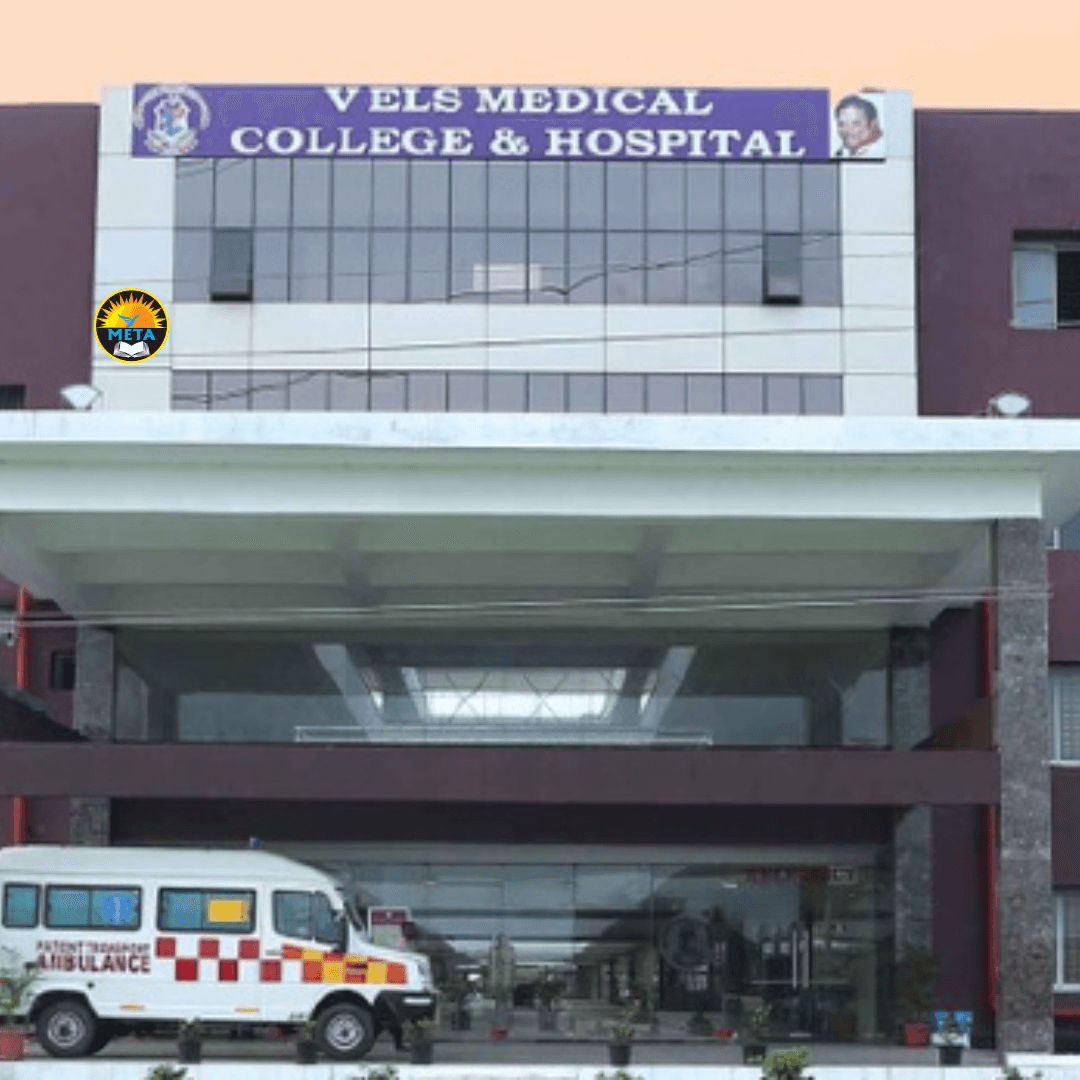
| Pacific Medical College & Hospital- Udaipur |
| Kalinga Institute of Medical Sciences (KIMS), Bhubaneswar |
| Jawaharlal Nehru Medical College (JNMC), Belgaum |
| M.S. Ramaiah Medical College, Bangalore |
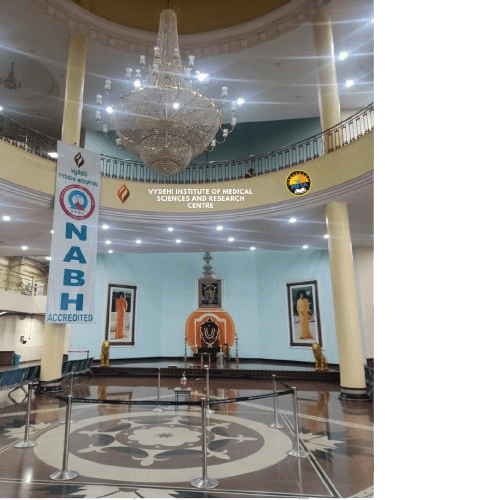
| Vydehi Institute of Medical Science & Research Centre- Banglore |
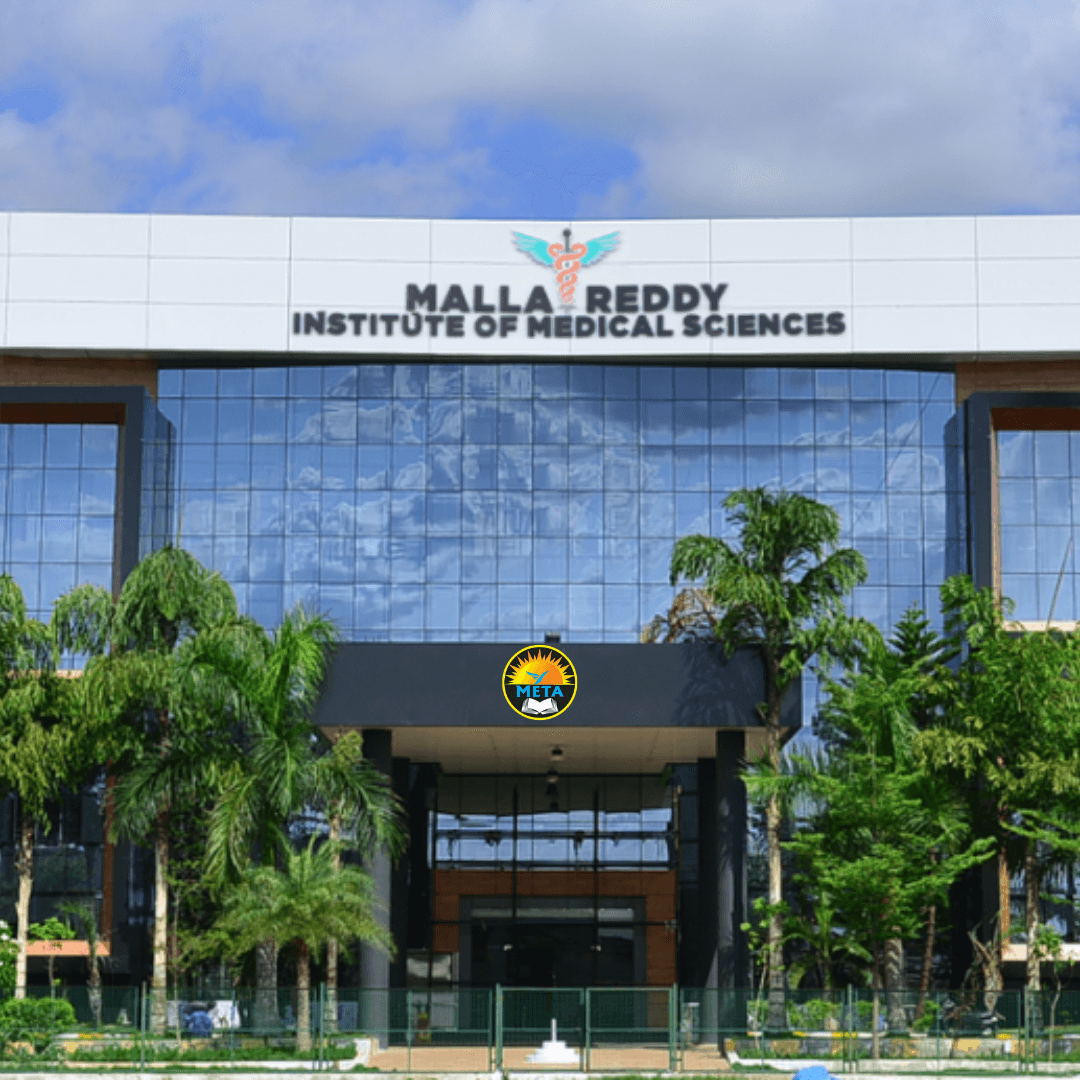
| Malla Reddy Institute of Medical Sciences- Hyderabad |
MBBS Admission in India FAQs
What NEET score is needed for MBBS in India?
There’s no single magic number. For a government seat through the All India Quota, general category students are usually safe around 600 marks and above. Private and deemed colleges open up lower. The smart play is to aim high, then build your counselling choices around your actual rank.
How do I get MBBS admission in India?
Qualify NEET UG, register for counselling, fill and lock your college choices, accept the seat you’re allotted, then finish document verification and pay the fee. It all runs through official online counselling, so acting on time isn’t optional.
Is NEET compulsory for every MBBS seat?
Yes. Government, private, deemed, every single MBBS seat in the country goes through NEET. There’s no second exam and no direct-admission backdoor.
What's the minimum class 12 percentage for MBBS?
50 percent in Physics, Chemistry and Biology combined for general category, 40 percent for SC, ST and OBC, and 45 percent for students with benchmark disabilities, all counted from your board result.
Is there an age limit for MBBS admission?
You need to be at least 17 at the time of admission. There’s no upper age limit in force right now, so repeaters and gap-year students are fully in the game.
How many MBBS seats are there in India in 2026?
Roughly 1.18 to 1.29 lakh seats across around 820 medical colleges, depending on the data source, split between government and private or deemed institutions. The number nudges up most years.
Are private MBBS fees really that high?
They can be. Private colleges run about Rs 3 lakh to Rs 25 lakh a year and deemed universities Rs 15 lakh to Rs 30 lakh a year, which over the full course can reach Rs 1 crore or more. Government fees, by contrast, can be just a few thousand rupees a year.
Can I still get MBBS with a low NEET score?
Maybe. Some private and deemed colleges admit at lower scores, especially through management or NRI seats. Whether it works depends on your category, your state, and your budget, which is exactly where guidance earns its keep.
Final Word For MBBS Admission in India
MBBS admission in India rewards two things: a good NEET score and a clear head during counselling. Get the eligibility right, clear the exam, understand the quotas, plan the fees before they surprise you, and treat the counselling rounds with the same focus you gave the exam. Do that, and a seat is well within reach.
Your rank, your budget, and your goals together point to the right path, whether government, private, or deemed. Nobody else’s answer fits your situation. If you’d like a hand at any stage, the team at Meta Career & Education Services Pvt. Ltd. is around to give you honest, specific advice, so you can take this step without second-guessing every move.